
Organic Traffic Google Analytics Insights
- 1.
What Exactly Counts as Organic Traffic in Google Analytics?
- 2.
Why Organic Traffic Is the Quiet Engine of Long-Term Growth
- 3.
Step-by-Step: Finding Organic Traffic in Google Analytics 4
- 4.
Common Confusions: Direct vs. Organic vs. Referral Traffic
- 5.
What Exactly Counts as Organic Traffic in Google Analytics?
- 6.
Why Organic Traffic Is the Quiet Engine of Long-Term Growth
- 7.
Step-by-Step: Finding Organic Traffic in Google Analytics 4
- 8.
Common Confusions: Direct vs. Organic vs. Referral Traffic
- 9.
Key Metrics That Tell the Real Story Behind Organic Traffic
- 10.
Linking Google Search Console: Your Secret Weapon
- 11.
Using Organic Traffic Data to Shape Content Decisions
- 12.
Spotting Algorithm Shifts and Seasonal Swings Early
- 13.
Comparing Organic Traffic Against Other Channels for Balance
- 14.
Avoiding Classic Mistakes When Analyzing Organic Performance
Table of Contents
organic traffic google analytics
Y’all ever feel like your website’s just whisperin’ into a windstorm? You pour your soul into blog posts, tweak your meta tags till 3 a.m., and still—crickets. Meanwhile, some dude in Ohio’s getting 10K visitors a day from “how to fix a wobbly toilet seat.” Don’t panic. The secret ain’t luck—it’s organic traffic google analytics. And no, it ain’t witchcraft. It’s data, baby. Real, juicy, actionable intel that tells you who’s comin’ in, why they stayed (or bounced faster than a bad check), and how to get more of the good stuff—without shelling out a single buck for ads. So grab your sweet tea or cold brew, ‘cause we’re about to decode this whole shebang like it’s a Sunday crossword.
What Exactly Counts as Organic Traffic in Google Analytics?
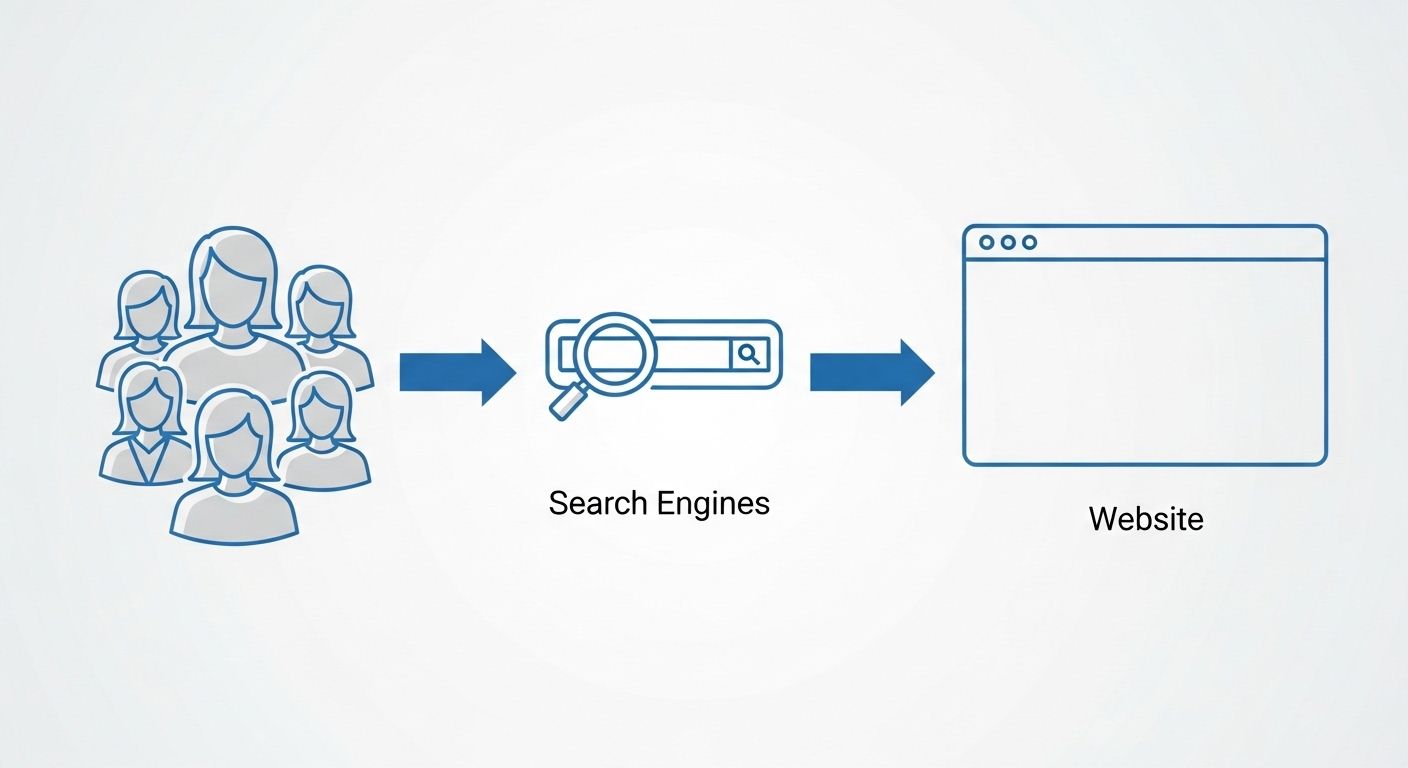
In the wild world of digital metrics, “organic traffic google analytics” refers specifically to visitors who land on your site after clicking a non-paid result in a search engine—mostly Google, bless its algorithmic heart. No little “Ad” badge. No sponsored label. Just pure, unfiltered discovery because someone typed a question, and your page popped up like, “I got the answer, fam.” This traffic is gold because it’s driven by intent—not interruption. And in GA4, it’s neatly bucketed under “Organic Search” in your acquisition reports. Simple? Yeah. Obvious? Only if you know where to look.
Why Organic Traffic Is the Quiet Engine of Long-Term Growth
Paid ads vanish when the budget dries up. Social media algorithms shift like desert sands. But organic traffic google analytics reveals a steady stream of visitors who found you because you solved their problem. According to industry tallies (like those from HubSpot and BrightEdge), organic search drives anywhere from 51% to 64% of all website traffic for content-rich sites. That’s not noise—that’s your bread and butter. And the best part? Once you rank, that traffic keeps rollin’ in month after month, like clockwork. Free. Forever. Well… as long as Google likes you.
Step-by-Step: Finding Organic Traffic in Google Analytics 4
GA4 scared off half the internet when it rolled out, but don’t let the new interface fool ya—your organic traffic google analytics data’s still there, just wearin’ a hoodie. Here’s how to find it: log in > click **Reports** on the left > go to **Acquisition > Traffic acquisition**. Now, under “Session default channel group,” scroll till you see “Organic Search.” That row? That’s your heartbeat. Click it for deeper cuts—landing pages, user engagement, even device breakdowns. Pro move: add a comparison filter for “Country” or “New vs Returning” to spot hidden patterns. And if you see “(not set)” everywhere? Honey, you forgot to link Search Console. Go do that now—we’ll wait.
Common Confusions: Direct vs. Organic vs. Referral Traffic
Let’s clear the fog. “Direct” traffic means folks typed your URL straight in or came from an untracked source (like a PDF link). “Referral” is when they clicked from another Y’all ever feel like your website’s just whisperin’ into a windstorm? You pour your soul into blog posts, tweak your meta tags till 3 a.m., and still—crickets. Meanwhile, some dude in Ohio’s getting 10K visitors a day from “how to fix a wobbly toilet seat.” Don’t panic. The secret ain’t luck—it’s organic traffic google analytics. And no, it ain’t witchcraft. It’s data, baby. Real, juicy, actionable intel that tells you who’s comin’ in, why they stayed (or bounced faster than a bad check), and how to get more of the good stuff—without shelling out a single buck for ads. So grab your sweet tea or cold brew, ‘cause we’re about to decode this whole shebang like it’s a Sunday crossword. In the wild world of digital metrics, “organic traffic google analytics” refers specifically to visitors who land on your site after clicking a non-paid result in a search engine—mostly Google, bless its algorithmic heart. No little “Ad” badge. No sponsored label. Just pure, unfiltered discovery because someone typed a question, and your page popped up like, “I got the answer, fam.” This traffic is gold because it’s driven by intent—not interruption. And in GA4, it’s neatly bucketed under “Organic Search” in your acquisition reports. Simple? Yeah. Obvious? Only if you know where to look. Paid ads vanish when the budget dries up. Social media algorithms shift like desert sands. But organic traffic google analytics reveals a steady stream of visitors who found you because you solved their problem. According to industry tallies (like those from HubSpot and BrightEdge), organic search drives anywhere from 51% to 64% of all website traffic for content-rich sites. That’s not noise—that’s your bread and butter. And the best part? Once you rank, that traffic keeps rollin’ in month after month, like clockwork. Free. Forever. Well… as long as Google likes you. GA4 scared off half the internet when it rolled out, but don’t let the new interface fool ya—your organic traffic google analytics data’s still there, just wearin’ a hoodie. Here’s how to find it: log in > click **Reports** on the left > go to **Acquisition > Traffic acquisition**. Now, under “Session default channel group,” scroll till you see “Organic Search.” That row? That’s your heartbeat. Click it for deeper cuts—landing pages, user engagement, even device breakdowns. Pro move: add a comparison filter for “Country” or “New vs Returning” to spot hidden patterns. And if you see “(not set)” everywhere? Honey, you forgot to link Search Console. Go do that now—we’ll wait. Let’s clear the fog. “Direct” traffic means folks typed your URL straight in or came from an untracked source (like a PDF link). “Referral” is when they clicked from another site—say, a guest post or forum. But organic traffic google analytics only counts clicks from search engine results pages (SERPs) that weren’t paid. Mix ‘em up, and you’ll think your SEO’s floppin’ when really, your email list is just killin’ it. Always double-check your channel definitions in GA4’s admin settings—Google’s default groupings are usually solid, but custom setups can muddy the waters. Don’t just stare at “Users” and call it a win. Real insight lives in the details. When reviewing your organic traffic google analytics, keep your eyes peeled for these gems:organic traffic google analytics
What Exactly Counts as Organic Traffic in Google Analytics?
Why Organic Traffic Is the Quiet Engine of Long-Term Growth
Step-by-Step: Finding Organic Traffic in Google Analytics 4
Common Confusions: Direct vs. Organic vs. Referral Traffic
Key Metrics That Tell the Real Story Behind Organic Traffic
Metric Why It Matters Healthy Range Engagement Rate % of sessions with meaningful interaction >60% Average Session Duration Time spent reading or exploring >2 minutes Bounce Rate (inverse) Did they leave after one page? <40% ideal Conversions Newsletter signups, downloads, sales Goal-dependent 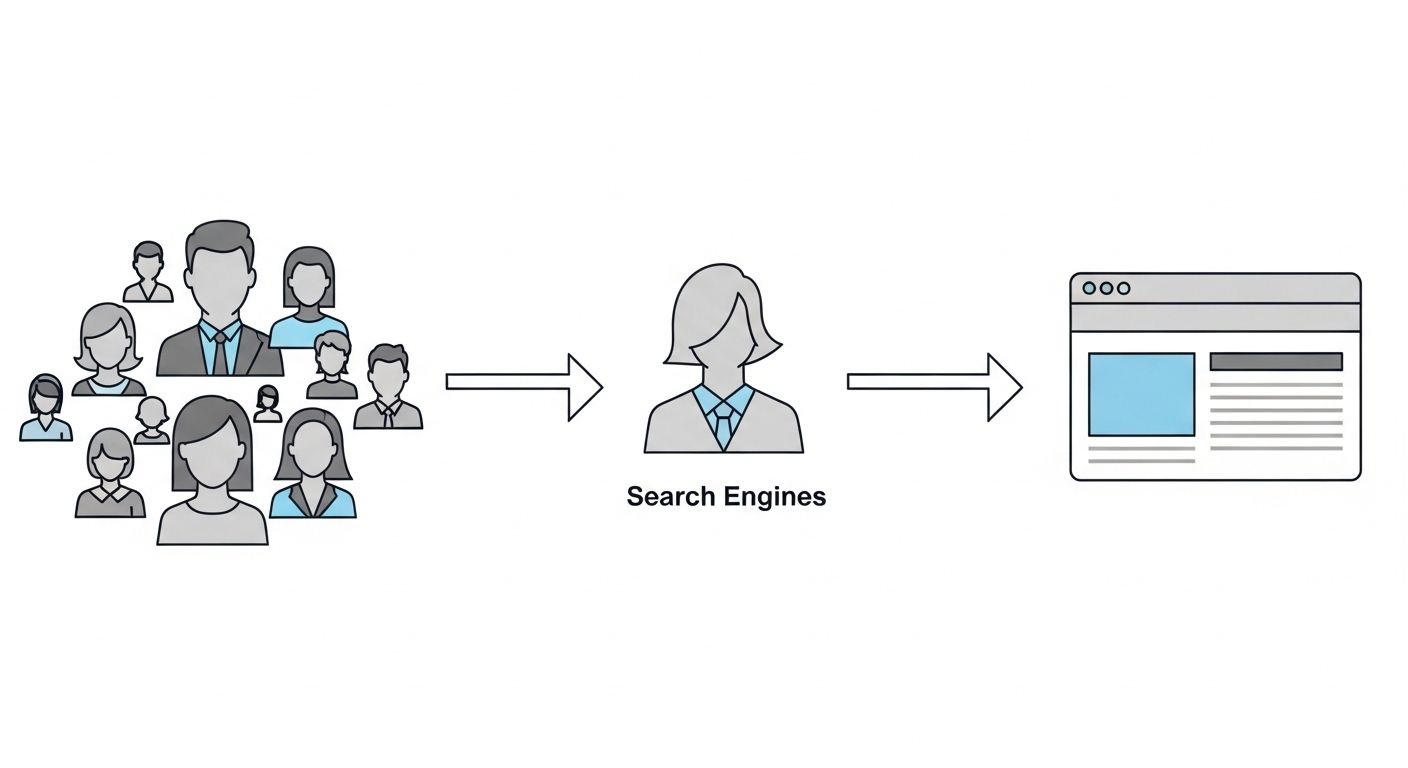
Linking Google Search Console: Your Secret Weapon
Google Analytics shows you *who* came and *what* they did. Search Console tells you *why* they came—the actual search queries that led ‘em to your doorstep. Link the two, and suddenly your organic traffic google analytics transforms from a blurry photo into HD. You’ll see which keywords drive clicks (“free SEO tools”), which pages rank for what, and where you’re losing traction (low CTR despite high impressions = weak meta titles). Without this combo, you’re optimizing blindfolded. Don’t do that, y’all.
Using Organic Traffic Data to Shape Content Decisions
Your organic traffic google analytics isn’t just a report—it’s a crystal ball. Got a post ranking #6 for “GA4 organic traffic guide”? Beef it up with fresh examples, internal links, and a killer meta description. Watch it climb. Notice a spike from “beginner SEO mistakes”? Write a follow-up. One of our favorite tricks: sort organic landing pages by “High traffic, low conversion.” Those are warm leads begging for a better CTA or clearer next step. Let data—not guesswork—steer your editorial calendar.
Spotting Algorithm Shifts and Seasonal Swings Early
Google updates hit like summer thunderstorms—sudden, loud, and sometimes floodin’ your rankings. By tracking your organic traffic google analytics weekly, you can catch drops that align with core updates (like the March 2025 helpful content refresh). Likewise, seasonal trends—say, “year-end SEO audit” every December—tell you when to prep content early. Set up custom alerts in GA4 for traffic dips over 20%. That way, you’re not cryin’ over lost rankings two months late—you’re pivotin’ while the iron’s hot.
Comparing Organic Traffic Against Other Channels for Balance
Is organic outperforming your email campaigns? Are social referrals bouncing faster than a jackrabbit on espresso? Use GA4’s **Channel comparison** report to pit organic traffic google analytics against paid, direct, referral, and social. You might find that while paid ads drive quick sales, organic builds loyal readers who convert later via email. Or that your Pinterest traffic has higher lifetime value than TikTok. Knowledge like this helps you allocate sweat equity—not just dollars—where it truly compounds.
Avoiding Classic Mistakes When Analyzing Organic Performance
Here’s where folks trip up: they blame content when the real issue is technical SEO. Slow load times, broken mobile layouts, or orphaned pages tank organic traffic google analytics—even with perfect keywords. Also, watch for keyword cannibalization: if three pages target “organic traffic google analytics,” they’ll fight each other in rankings. Pick one hero page and consolidate. And never ignore user intent. Ranking for “free traffic tools” won’t help if your page is a 5,000-word thesis on GA4 architecture. Match the query, or lose the click. For more nuance, check out our deep dive on Organic Keywords in Google Analytics Tool, browse the full library in our Traffic category, or start fresh at the Peternak Digital homepage—where we break down analytics like it’s slow-cooked brisket: tender, rich, and worth the wait.
Frequently Asked Questions
What is organic traffic in Google Analytics?
Organic traffic in Google Analytics refers to visitors who arrive at your site by clicking on unpaid search engine results—primarily from Google. These sessions are categorized under the “Organic Search” channel and represent users who found your content through relevant queries, not paid ads. Tracking this via organic traffic google analytics helps measure the effectiveness of your SEO and content strategy.
How to access organic traffic metrics in Google Analytics?
To access organic traffic metrics in Google Analytics 4, navigate to Reports > Acquisition > Traffic acquisition. Under the “Session default channel group” dimension, locate the “Organic Search” row. Click into it for detailed metrics like engaged sessions, average duration, and landing pages. For richer insights, ensure Google Search Console is linked to view actual search queries driving your organic traffic google analytics.
Which traffic source is considered organic in Google Analytics?
In Google Analytics, traffic is classified as organic when it originates from unpaid search engine results—typically Google, but also Bing or Yahoo if configured. This excludes paid ads (marked as “Paid Search”) and direct or referral sources. The system identifies organic traffic by the absence of campaign parameters and the presence of search engine referrer data, making organic traffic google analytics a clean measure of SEO performance.
How to get organic traffic from Google?
To get organic traffic from Google, create high-quality, relevant content that answers real user questions, optimize on-page SEO (titles, headers, internal links), ensure fast mobile loading, and earn backlinks from trusted sites. Use organic traffic google analytics data to refine your strategy—focusing on keywords with high impressions but low clicks, or pages with high bounce rates. Consistency and user intent alignment are key; there’s no shortcut, but the payoff is sustainable, free traffic.
References
- https://support.google.com/analytics/answer/9756891
- https://developers.google.com/search/docs/fundamentals/seo-starter-guide
- https://ahrefs.com/blog/organic-traffic/
- https://moz.com/beginners-guide-to-seo