
Calculating Share of Voice Methods

- 1.
What Exactly Is “Share of Voice,” Y’all?
- 2.
Why Bother with Calculating Share of Voice Anyway?
- 3.
The Math Behind the Magic: How to Calculate Share of Voice
- 4.
Different Flavors of Share of Voice (Yeah, It’s Not One-Size-Fits-All)
- 5.
Tools That Do the Heavy Lifting (So You Don’t Have To)
- 6.
What’s a “Good” Share of Voice Percentage? (Spoiler: It Depends)
- 7.
Measuring Share of Voice on LinkedIn Like a Pro
- 8.
Common Pitfalls When Calculating Share of Voice (Don’t Trip Here!)
- 9.
From Data to Action: What to Do After Calculating Share of Voice
- 10.
Where to Go Next on Your Share of Voice Journey
Table of Contents
calculating share of voice
What Exactly Is “Share of Voice,” Y’all?
Ever caught yourself wonderin’, “How loud am I really shoutin’ in this noisy digital rodeo?” Well, partner, that’s where calculating share of voice comes ridin’ in like a trusty steed. In plain ol’ English (with a lil’ Southern drawl), share of voice—or SOV—is the slice of the conversation pie your brand gets compared to competitors. Whether it’s social buzz, search traffic, or ad impressions, calculating share of voice tells you just how much folks are chatterin’ about *you* versus the rest of the gang.
Why Bother with Calculating Share of Voice Anyway?
Look, if you’re pourin’ dollars into campaigns but ain’t trackin’ who’s actually listenin’, you might as well be yellin’ into a canyon with no echo. Calculating share of voice ain’t just vanity metrics—it’s strategic intel. It shows whether your message cuts through the noise or gets drowned out by louder brands. Think of it like checkin’ your Wi-Fi signal strength: weak bars? Time to boost that router—or in this case, your messaging.
The Math Behind the Magic: How to Calculate Share of Voice
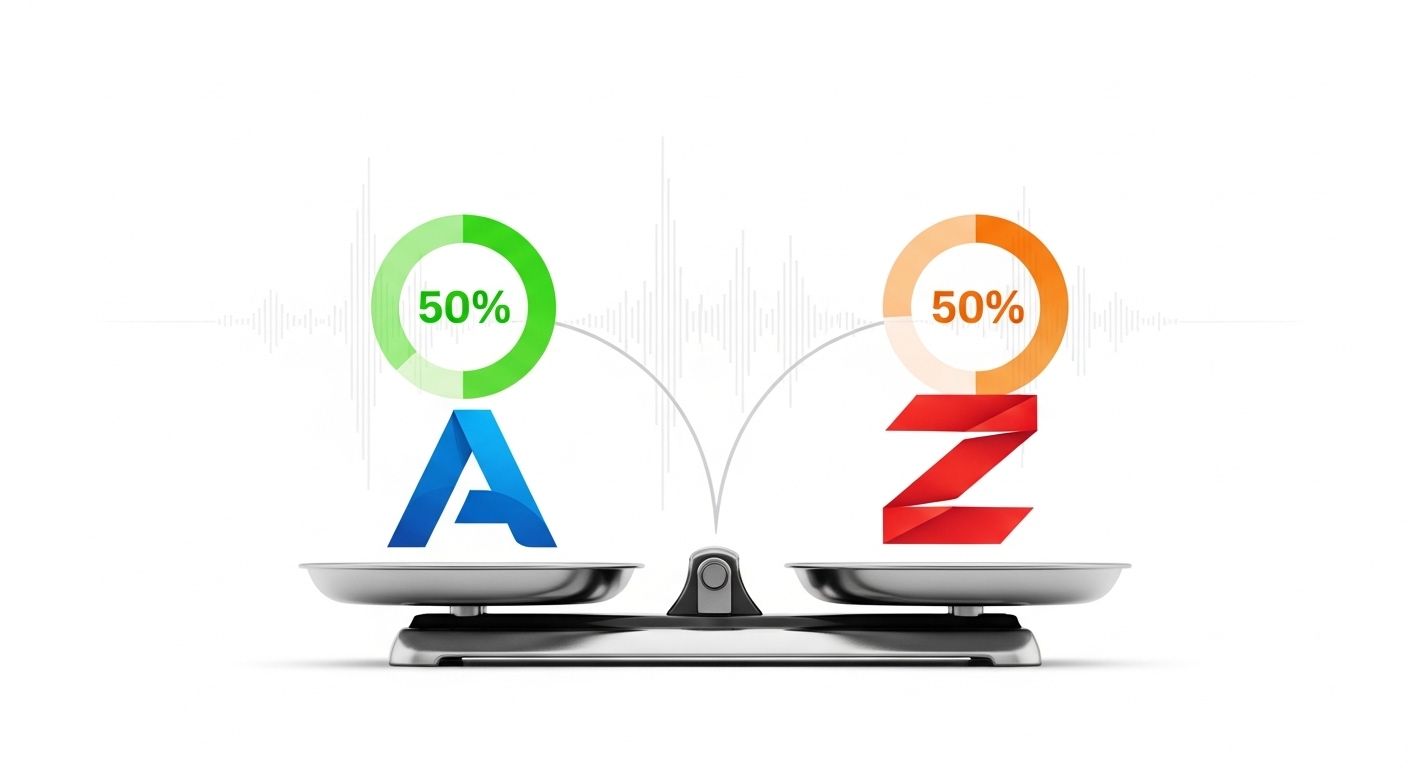
Alright, don’t sweat it—no PhD required. The basic formula for calculating share of voice is dead simple: SOV = (Your Brand’s Mentions or Impressions ÷ Total Industry Mentions or Impressions) × 100
So if your brand snagged 2,000 mentions last month and the whole category had 10,000? Boom—you’re sittin’ pretty at 20%. But remember, context matters. A 20% SOV in a sleepy niche might mean dominance; in a hyper-competitive space like fintech? Might need to crank it up.
Different Flavors of Share of Voice (Yeah, It’s Not One-Size-Fits-All)
Hold up—before you go pluggin’ numbers into a spreadsheet, know this: calculating share of voice changes hats depending on where you look. There’s paid SOV (ads), earned SOV (organic buzz), search SOV (keyword rankings), and even social SOV (likes, shares, comments). Each gives you a different lens. For example, LinkedIn SOV focuses on engagement within professional circles, while Instagram SOV leans visual and viral. Gotta pick your battlefield wisely.
Tools That Do the Heavy Lifting (So You Don’t Have To)
Lucky for us modern cowpokes, we ain’t stuck countin’ tweets by hand. Tools like Brandwatch, Mention, Sprout Social, and even freebies like Google Trends can automate calculating share of voice. They scrape data across platforms, tally mentions, filter spam, and even map sentiment. Some even benchmark you against rivals in real time. Ain’t tech grand?
What’s a “Good” Share of Voice Percentage? (Spoiler: It Depends)
Y’all keep askin’, “Is 15% good?” or “Should I aim for 50%?” Truth is, there’s no magic number. A “good” calculating share of voice percentage hinges on your goals, budget, and market saturation. Startups might celebrate 5% as a win; industry giants sweat if they dip below 30%. Pro tip? Track your SOV over time. Consistent growth > arbitrary benchmarks. Also, pair SOV with conversion rates—if you’re loud but not sellin’, somethin’s off.
Measuring Share of Voice on LinkedIn Like a Pro
LinkedIn ain’t just for job-huntin’ and humblebrag posts—it’s a goldmine for B2B calculating share of voice. To measure it, track:
- Post impressions & engagement (likes, comments, shares)
- Mentions of your brand vs. competitors
- Hashtag performance in your niche
- Follower growth relative to peers
Common Pitfalls When Calculating Share of Voice (Don’t Trip Here!)
Oh honey, we’ve seen it all. Folks mess up calculating share of voice by:
- Ignoring sentiment (1,000 angry rants ≠ positive visibility)
- Using inconsistent time frames (comparin’ Q1 to Q4? Nope.)
- Forgetting dark social (DMs, emails, Slack—stuff tools can’t see)
- Not filtering bots or spam mentions
From Data to Action: What to Do After Calculating Share of Voice
So you’ve got your SOV number—now what? If it’s low, ask: Are we underinvesting? Off-message? Invisible to the right crowd? If it’s high but sales flatline, maybe your voice isn’t resonatin’. Use calculating share of voice to:
- Reallocate ad spend
- Refine content strategy
- Identify influencer collab opportunities
- Spot emerging competitors early
Where to Go Next on Your Share of Voice Journey
If you’re hooked on calculating share of voice (and hey, we don’t blame ya), dive deeper with our guides. Start at the Peternak Digital homepage for the full suite of marketing wisdom. Explore our Traffic category for more on visibility metrics. And if you’re geekin’ out on trends, don’t miss our deep-dive piece: Google Trends Google Trends Google Trends Analysis Guide. Trust us—it’s a wild ride.
Frequently Asked Questions
How to calculate share of voice?
To calculate share of voice, divide your brand’s total mentions, impressions, or engagements by the industry-wide total for the same metric, then multiply by 100. This percentage reflects your visibility relative to competitors. Accurate calculating share of voice requires consistent data sources and timeframes.
What is a good share of voice percentage?
A “good” share of voice percentage varies by industry, budget, and goals. While 10–20% may indicate strong presence for emerging brands, market leaders often maintain 30%+. The key in calculating share of voice isn’t hitting a universal target—it’s tracking consistent growth and alignment with business outcomes.
How to measure share of voice on LinkedIn?
Measuring share of voice on LinkedIn involves tracking your brand’s post impressions, engagement rates, mentions, and hashtag usage compared to competitors. Use LinkedIn Analytics or third-party tools to gather data, then apply the standard SOV formula. Effective calculating share of voice on LinkedIn prioritizes professional relevance over sheer volume.
How to find out share of voice?
You can find out share of voice by using social listening tools (like Brandwatch or Mention), SEO platforms (like SEMrush), or manual tracking via Google Trends and platform-native analytics. The process of calculating share of voice starts with defining your scope—channels, competitors, and metrics—then collecting and comparing data systematically.
References
- https://www.marketingweek.com/share-of-voice-definition
- https://hbr.org/2020/05/how-to-measure-your-brands-share-of-voice
- https://www.smartinsights.com/digital-marketing-strategy/share-of-voice/
- https://buffer.com/library/share-of-voice-social-media