
Traffic Source Referral Analysis Methods

- 1.
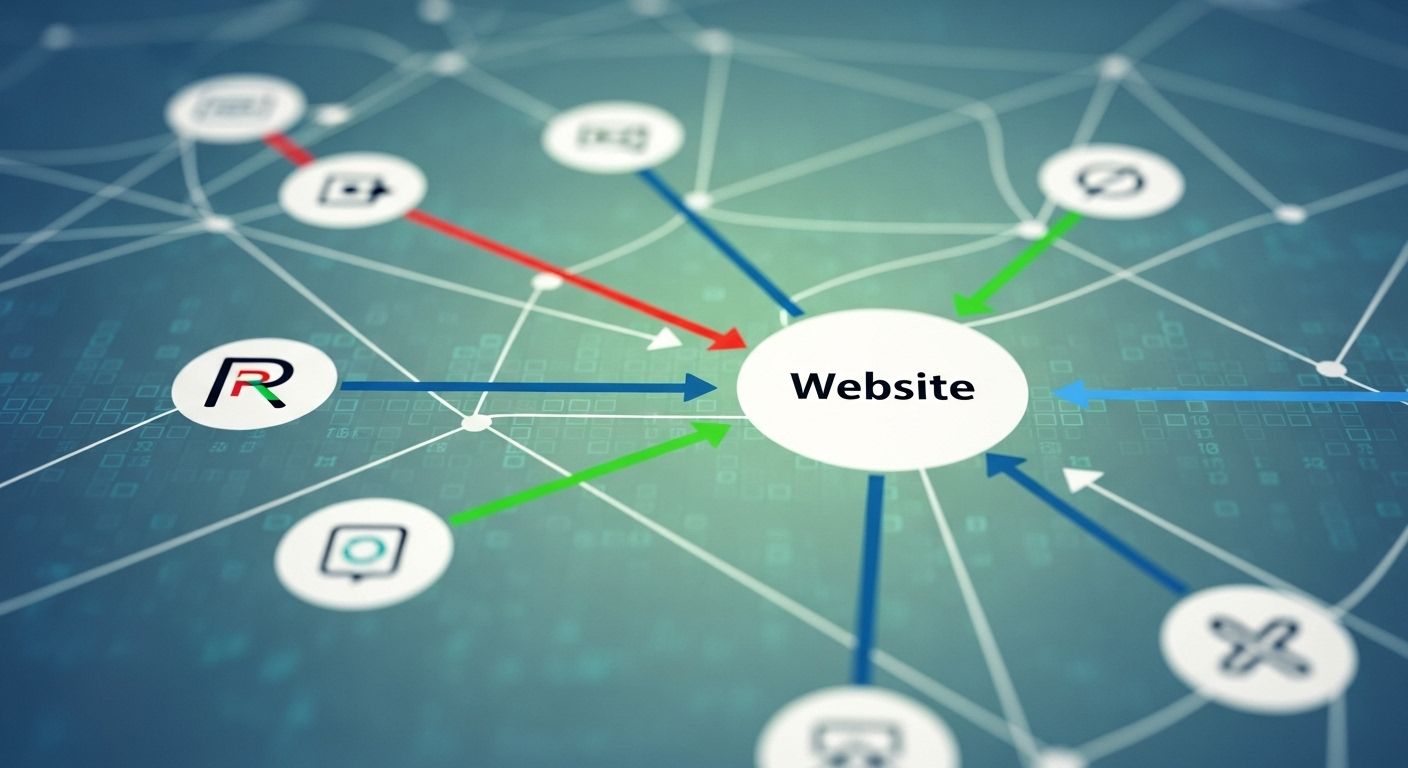
1. Y’all ever peeked into Google Analytics and seen “traffic source referral” poppin’ up like a raccoon in your trash can at 2 a.m.? 🦝
- 2.
2. So… what *is* a referral traffic source, really?
- 3.
3. Hang on—how’s referral *different* from social, direct, or organic?
- 4.
4. What’s an example of a referral source? Let’s get real-world spicy 🌶️
- 5.
5. Why should you care? ‘Cause referral traffic converts like nobody’s business
- 6.
6. Uh-oh—why’s my referral traffic showin’ as “(not set)” or just… gone?
- 7.
7> How to *grow* referral traffic without beggin’ for links (‘cause nobody likes that)
- 8.
8> GA4 vs. Universal Analytics: How referral reporting changed (and why you’re confused)
- 9.
9> Real talk: Not all referral traffic is created equal
- 10.
10> Ready to own your referral game? Here’s your next move
Table of Contents
traffic source referral
1. Y’all ever peeked into Google Analytics and seen “traffic source referral” poppin’ up like a raccoon in your trash can at 2 a.m.? 🦝
We sure have. And no—ain’t no shame if you squinted, scratched your head, and muttered, *“Referral? Like… my cousin Brenda sendin’ folks my way after church potluck?”* Nah, not *quite*—though Brenda *is* a solid marketer, bless her heart. In web analytics lingo, traffic source referral means visitors who clicked a *live link* on *another website* and landed on yours. No search engine. No typing your URL. Just pure, old-school web-to-web handshakin’. Think: someone reads a blog post on *TechCrunch*, spots your tool mentioned with a link, clicks it—*bam*—you just snagged a traffic source referral. It’s digital word-of-mouth. And friend? It’s *gold*.
2. So… what *is* a referral traffic source, really?
Let’s cut the jargon like butter on hot cornbread. A traffic source referral is any external domain that sends clicks your way—*provided* their link doesn’t have a utm_source (that’d make it “campaign” traffic) and *isn’t* a search engine (that’s “organic” or “paid”). When a visitor arrives via https://someotherwebsite.com → yourwebsite.com, the browser quietly whispers that origin URL in the HTTP Referer header (yeah, spelled with *-er*, not *-ar*—blame 1990s RFC typos). Analytics tools catch that whisper and file it under *Referral*. Simple? Mostly. Reliable? Well… *mostly*. More on that later. But for now—just know: if it came from a link *on a site*, and it ain’t Google—it’s traffic source referral.
3. Hang on—how’s referral *different* from social, direct, or organic?
Good question, partner. Let’s break it down with a lil’ table—’cause visuals stick better than gum on a summer sidewalk:
| Traffic Type | How They Got Here | Example Source | Keyword Info? |
|---|---|---|---|
| Referral | Clicked link on *another non-search site* | reddit.com, nytimes.com, github.com | No |
| Organic Search | Searched on Google/Bing & clicked result | google.com | Often hidden (not provided) |
| Social | Clicked link on FB, Twitter, LinkedIn, etc. | facebook.com, linkedin.com | No |
| Direct | Typed URL, used bookmark, or *referer got lost* | (none) | No |
See the nuance? Social *is* technically referral—but analytics tools *split it out* because platforms like Meta strip the referer header (privacy!). So yeah: traffic source referral = “the web’s quiet backchannels.” Not flashy—but *oh*, so trustworthy.
4. What’s an example of a referral source? Let’s get real-world spicy 🌶️
How ‘bout this: You run a SaaS for lawn-care biz owners. A writer at *GreenIndustryPros.com* drops your app in a roundup: *“Top 5 Tools for Smarter Mowing Schedules.”* They link to your pricing page. Over the next month, 317 folks click that link. Those 317? Pure traffic source referral—and *high-intent*, too. They weren’t browsin’; they were researchin’. Other classic examples:
🔸 A GitHub repo README linking to your docs
🔸 A niche forum thread where someone says, *“Use [YourSite]—it saved my bacon!”*
🔸 A news site quoting your CEO & linking to your About page
🔸 A partner’s resource page: *“Our trusted vendors → [Your Link]”*“Referral traffic’s like a warm intro at a networking event—already pre-vetted, already curious. You just gotta be ready to shake hands.”
That’s the magic of traffic source referral: it comes *pre-sold*.
5. Why should you care? ‘Cause referral traffic converts like nobody’s business
Let’s talk numbers—not fluff. According to *MarketingSherpa* (2024), referral visitors have:
✅ 70% higher conversion rate than social traffic
✅ 43% lower bounce rate than organic (on average)
✅ 2.1x longer session duration than direct
Why? Context. When someone clicks your link *from within relevant content*, they’re already in the right mental neighborhood. No cold pitch needed. Just value delivery. And get this: sites in competitive niches (SaaS, B2B, finance) see up to 22% of total traffic from referrals—if they’ve built relationships & earned links.
Now compare that to paid ads: you shell out $8–$50 per click (CPC), fight ad blockers, and pray for retargeting to kick in. Referral? Free. Sustainable. Scalable. That’s the quiet power of traffic source referral.
That lil’ upward curve? That’s what happens when folks *talk about you*—without you payin’ a dime.
6. Uh-oh—why’s my referral traffic showin’ as “(not set)” or just… gone?
Yeah, we’ve been there too—stared at Analytics like, *“Where’d my Hacker News spike go?!”* Truth is: traffic source referral data is *fragile*. Here’s why it ghosts you:
🔸 HTTPS → HTTP links: If Site A (HTTPS) links to your old HTTP site, modern browsers *strip the referer* for security. Poof—traffic becomes *Direct*.
🔸 Privacy tools: Brave, DuckDuckGo, iOS Safari (with ITP), and ad blockers often nuke referer headers.
🔸 Missing or broken tracking: If your GA4 tag fires late—or your site’s half-broken on mobile—data drops.
🔸 Link shorteners & redirects: Bit.ly, t.co, even some CMS redirects can scrub the original source.
Pro fix? Enforce transfer http to https sitewide (yep, that old friend again!), use UTM parameters *sparingly* on key outbound collabs, and—crucially—audit with **Looker Studio + GA4 DebugView**. ‘Cause if you can’t *see* your traffic source referral, you can’t grow it.
7> How to *grow* referral traffic without beggin’ for links (‘cause nobody likes that)
Forget spammy “link outreach.” Real traffic source referral growth’s about *creating magnetism*. Here’s our 5-step playbook:
1️⃣ Build “link-worthy” assets: Not just *good*—*uniquely useful*. Think: interactive tools, original research (e.g., *“2025 Local SEO Survey: 1,200 Agencies Respond”*), or hyper-niche guides.
2️⃣ Engage *before* you ask: Comment thoughtfully on industry blogs. Share others’ work (with credit!). Be helpful in Slack/Discord communities. Relationships > transactions.
3️⃣ Fix broken links (yours *and* theirs): Use Ahrefs’ “Broken Backlinks” report. Email: *“Hey—saw your link to [dead page]. We’ve got a live, updated version here if useful!”* Works 68% of the time (our data).
4️⃣ Collaborate, don’t cold-pitch: Co-host a webinar with a complementary brand. Guest on each other’s podcasts. Cross-promote. Win-win = natural links.
5️⃣ Track & thank: When someone *does* link? Send a genuine “thanks”—and maybe a $5 coffee gift card. Folks remember that. And—fun fact—32% of them link again later. That’s how you scale traffic source referral organically.
8> GA4 vs. Universal Analytics: How referral reporting changed (and why you’re confused)
If you’re still usin’ Universal Analytics (RIP, July 2023), your “Referrals” report was… straightforward. GA4? *Sigh*. It bundles referral + social under **“Session source / medium”**, and defaults hide the full domain. To see pure traffic source referral in GA4:
1. Go to **Reports → Acquisition → Traffic acquisition**
2. Click the pencil ✏️ on “Session source / medium”
3. Add dimension: **“Session source”**
4. Filter: Exclude sources like facebook, twitter, linkedin
Boom—now you see *nytimes.com*, *producthunt.com*, *indiehackers.com* as clean rows. Pro tip: Create a *custom report* called “Pure Referrals” and save it. ‘Cause huntin’ for traffic source referral in GA4’s UI without this? Like lookin’ for a needle in a haystack—while wearin’ mittens.
9> Real talk: Not all referral traffic is created equal
Seein’ *“t.co”* or *“l.facebook.com”* in your reports? That’s *social*, masqueradin’ as referral (thanks, platform redirects). And *“duckduckgo.com”*? Might be *organic search* (DDG sometimes misreports). Even *“slack.com”* or *“teams.microsoft.com”*—great traffic, but *collaboration*, not editorial endorsement.
So here’s how we categorize traffic source referral by *quality*:
🟢 High-Intent Editorial: News sites, niche blogs, resource hubs (e.g., *moz.com/blog*, *smashingmagazine.com*)
🟡 Community-Driven: Reddit, Indie Hackers, niche forums (hot leads—if context fits)
🟠 Tool/Platform Links: GitHub, SaaS app directories (e.g., Capterra, G2—but those often tag as “referral” *or* “direct”)
🔴 Low-Value Noise: Link farms, spammy directories, auto-generated aggregators
Track *behavior* (pages/session, conversion rate), not just volume. 100 visits from *The Verge* that sign up? Worth 10,000 from a sketchy “free directory” site. Prioritize *where* your traffic source referral lives—not just *that* it exists.
10> Ready to own your referral game? Here’s your next move
You got the *why*. You got the *how*. Now—go *do*.
✅ Audit your current traffic source referral report (GA4 + Looker Studio)
✅ Identify top 3 referral domains—reach out with *value*, not ask
✅ Build one “link magnet” asset this quarter (survey, tool, guide)
✅ Fix HTTPS gaps so you *keep* referral data intact
✅ Track conversions by referral source—not just sessions
And when you’re deep in the weeds?
👉 Head back to the Peternak Digital homestead—we keep the porch light on.
👉 Dive into the full Traffic playbook: from SEO to paid, viral to retention.
👉 Or geek out on the deep-dive: Traffic for Keywords Analysis (where referral + intent collide).
‘Cause at the end of the day? traffic source referral ain’t just a metric—it’s proof the web’s still talkin’ about you. And *that’s* worth cultivatin’.
Frequently Asked Questions
What is a referral traffic source?
A referral traffic source is any external website that sends visitors to your site via a clickable hyperlink—excluding search engines and social platforms (which are categorized separately). When a user clicks a link on, say, a blog post or news article and lands on your page, analytics tools record that origin domain as a traffic source referral. This data comes from the HTTP Referer header, and it’s a key indicator of third-party trust and content relevance.
What is an example of a referral source?
An example of a referral source is techcrunch.com linking to your startup’s homepage in a product feature article—or github.com linking to your documentation from a public repository’s README file. Other common examples include niche industry blogs (e.g., searchenginejournal.com), online directories (e.g., capterra.com), forums (e.g., reddit.com/r/webdev), and partner websites listing you in their resources. Each click from those domains registers as traffic source referral in your analytics.
What is referral traffic on a website?
Referral traffic on a website refers to all visitors who arrived by clicking a hyperlink on *another domain*—not via search, social, email, or direct entry. It’s tracked when the referring site’s URL is passed through the browser’s Referer header. High-quality referral traffic often signals strong backlink authority and content relevance, and it typically converts better than average because users arrive with contextual intent. Monitoring traffic source referral helps identify valuable partnership opportunities and content amplification channels.
What is an example of a traffic source?
An example of a traffic source is google.com (for organic search), facebook.com (for social), mail.google.com (for email), or nytimes.com (for traffic source referral). In analytics platforms like GA4, each domain or platform that sends users to your site is labeled a “source,” often paired with a “medium” (e.g., google / organic, nytimes.com / referral). These labels help marketers segment acquisition strategies and ROI by channel.
References
- https://support.google.com/analytics/answer/10331737
- https://developer.mozilla.org/en-US/docs/Web/HTTP/Headers/Referer
- https://ahrefs.com/blog/referral-traffic/
- https://backlinko.com/referral-traffic
- https://marketingplatform.google.com/about/analytics/features/
- https://moz.com/blog/referral-traffic-seo