
Google Trends for Website Traffic Growth
- 1.
Wait—Can Google Trends Actually Boost My Website Traffic?
- 2.
Why Your Content Strategy Needs a Pulse—and Google Trends Is It
- 3.
Regional Rhythms: How Local Flavor Fuels National Traffic
- 4.
Seasonal Swings: Riding the Waves Instead of Drowning in Them
- 5.
The Feedback Loop: How Trends Shape (and Are Shaped By) Search Behavior
- 6.
Pop Culture Tsunamis: Surfing Viral Waves Without Wiping Out
- 7.
Practical Panic: Turning Everyday Emergencies Into Evergreen Content
- 8.
Crisis Compassion: Responding to Global Events with Sensitivity and Speed
- 9.
Decoding the Dashboard: A No-BS Guide to Using Google Trends Like a Pro
Table of Contents
google trends for website
Wait—Can Google Trends Actually Boost My Website Traffic?
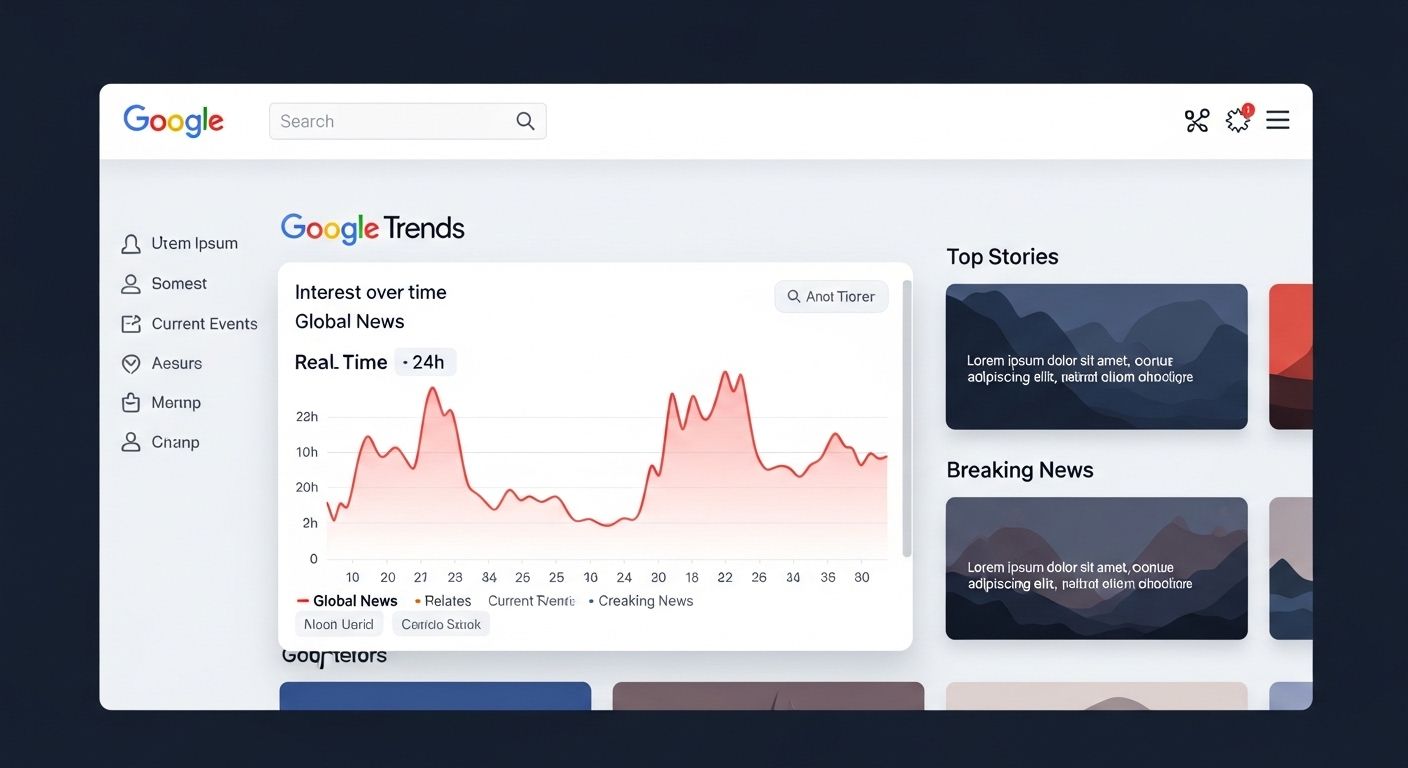
Y’all ever stare at your analytics dashboard like it’s a cryptic fortune cookie, wondering why your “best vegan lasagna recipe” post got 12 views while someone’s blurry photo of a squirrel in a tutu went viral? Yeah, we’ve been there too. But here’s the kicker: what if you could peek into the collective brain of the internet *before* you hit “publish”? That’s where google trends for website comes in—not as a magic wand, but as a compass. It won’t write your content for you, but it’ll whisper, “Hey, maybe write about ‘air fryer donuts’ *before* everyone else does.” And honestly? That little nudge can turn a ghost town into a traffic jam (the good kind). The google trends for website tool is free, real-time, and weirdly poetic—if you know how to read its tea leaves.
Why Your Content Strategy Needs a Pulse—and Google Trends Is It
Let’s be real: publishing blindly is like fishing in a drained pond. You might catch something… but probably just your own reflection. The google trends for website tool gives you that elusive pulse—the rhythm of what people are actually searching *right now*. Are queries for “sustainable gardening” spiking in Oregon? Is “remote work burnout” surging nationwide? These aren’t just numbers; they’re invitations. When you align your content with rising interest, you’re not chasing algorithms—you’re meeting real humans mid-thought. And that’s how the google trends for website transforms from a neat gadget into a growth engine. No crystal ball needed—just curiosity and a willingness to listen.
Regional Rhythms: How Local Flavor Fuels National Traffic
Down in Georgia, folks might be searching “peach cobbler without sugar,” while Coloradans type “best hiking boots for snow.” The beauty of google trends for website is its ability to slice data by region—so you can tailor content that feels like it was written just for them. Imagine running a home goods site: instead of one generic “winter decor” post, you publish “cozy cabin vibes for mountain homes” for Rockies readers and “humid-climate storage hacks” for Floridians. That hyperlocal touch? It builds trust. And Google rewards relevance. By tuning into these regional dialects of desire, your google trends for website strategy stops shouting into the void and starts having actual conversations.
Seasonal Swings: Riding the Waves Instead of Drowning in Them
Ever notice how “tax preparation checklist” explodes every January, or “back-to-school lunch ideas” peaks in August? These aren’t coincidences—they’re cultural tides. The google trends for website tool lets you map these cycles months in advance. See that “indoor plant care” starts climbing in November? Draft your guide in October. Notice “grilling recipes” spike in May? Have your smoker tutorial ready by April. This isn’t guesswork; it’s strategic anticipation. When you publish *with* the season instead of after it, your google trends for website efforts turn from reactive scrambles into proactive symphonies—harmonizing with your audience’s natural rhythms.
The Feedback Loop: How Trends Shape (and Are Shaped By) Search Behavior
Here’s the mind-bender: the google trends for website doesn’t just reflect culture—it *influences* it. When Google surfaces “AI writing tools” in trending searches, more people search for it, which pushes it higher, creating a self-fulfilling prophecy. As website owners, we’re part of this loop. Publish a killer piece on “budget meal prep,” and suddenly your site shows up in “People also ask” boxes, pulling even more eyes. It’s not manipulation—it’s momentum. And by using the google trends for website tool to spot emerging topics early (like “regenerative agriculture” or “digital detox apps”), you position your site as a thought leader, not just a follower. Timing + insight = traffic alchemy.
Pop Culture Tsunamis: Surfing Viral Waves Without Wiping Out
Drop a new Marvel movie? Suddenly, “Wolverine quotes” floods the charts. Release a surprise Beyoncé album? “Cowboy Carter meaning” trends harder than a Texas dust storm. The google trends for website tool shows these spikes in real time—but here’s the pro tip: don’t chase every wave. Ask: *Does this align with my niche?* A fitness blog covering “Barbiecore workout gear” might feel forced, but a fashion site? Gold. The key is relevance + speed. Use the google trends for website “Related queries” section to find angles that bridge virality and your expertise. That way, you ride the wave without looking like you’re just clinging to driftwood.
Practical Panic: Turning Everyday Emergencies Into Evergreen Content
Not all traffic is glamorous. Sometimes, the biggest surges come from pure, unfiltered panic: “why is my AC leaking?” or “how to unclog a garbage disposal without calling a plumber.” These “practical panic” queries are goldmines for websites offering solutions. The google trends for website tool reveals these pain points in real time—especially during seasonal shifts (hello, winter pipe freezes). Create detailed, empathetic guides that answer not just the “how,” but the “why it happened” and “how to prevent it next time.” That depth turns one-time visitors into loyal readers. And because these problems repeat yearly, your google trends for website-inspired posts become evergreen assets—quietly compounding traffic while you sleep.
Crisis Compassion: Responding to Global Events with Sensitivity and Speed
When disasters strike—wildfires, elections, pandemics—the google trends for website tool lights up with urgent, empathetic queries: “how to help Ukraine refugees” or “mental health resources after mass shooting.” This isn’t the time for sales pitches. It’s the time for service. If your site offers relevant support (e.g., a finance blog explaining “emergency fund basics” during economic crashes), publish with clarity and compassion. Google prioritizes helpful content during crises, and audiences remember who showed up. Used ethically, the google trends for website tool helps you meet people in their moment of need—not to exploit, but to uplift. That’s traffic with purpose.
Decoding the Dashboard: A No-BS Guide to Using Google Trends Like a Pro
Alright, let’s cut through the noise. To use google trends for website effectively: 1. **Compare keywords**: Type two phrases (e.g., “vegan protein” vs. “plant-based protein”) to see which has more traction. 2. **Filter by region/time**: Spot local opportunities or seasonal patterns. 3. **Check “Related queries”**: Find rising long-tail keywords (e.g., “vegan protein for athletes” might be a breakout star). 4. **Use categories**: Narrow results to “Food & Drink” or “Business” to avoid irrelevant noise. Remember: Trends shows *relative* interest (0–100), not absolute volume. Pair it with tools like Keyword Planner for full context. Master this, and your google trends for website strategy shifts from “hoping” to “knowing.” For deeper dives, swing by the Peternak Digital homepage, explore our Traffic category, or geek out over our full breakdown in youtube keyword trends performance metrics.
Frequently Asked Questions
How to use Google Trends to find keywords?
Start by entering a seed keyword into Google Trends. The tool displays interest over time, geographic hotspots, and—most importantly—"Related queries" showing rising terms. Filter by category and time range to reduce noise. For example, searching "meal prep" might reveal breakout queries like "meal prep for diabetics" or "freezer-friendly meal prep." These long-tail variations are gold for targeting specific audiences. Always cross-reference with your niche to ensure alignment. This strategic use of google trends for website turns vague ideas into precise, high-opportunity keywords.
How to find out what's trending right now?
Visit Google Trends (trends.google.com) and scroll to "Daily Search Trends" for real-time spikes globally or by country. These updates hourly and highlight surging queries tied to news, pop culture, or events. You can also explore "Year in Search" reports for annual patterns. For website owners, monitoring these live trends helps identify timely content opportunities—like publishing a guide on "solar eclipse safety tips" hours before the event. Staying plugged into the google trends for website feed ensures your content stays relevant in the cultural conversation.
Is Google Trends a free tool?
Yes! Google Trends is 100% free—no credit card, no subscription, no hidden fees. Anyone with a Google account can access real-time data on search interest, regional breakdowns, and related queries. This makes it an invaluable resource for bloggers, marketers, and small business owners who can’t afford pricey SEO tools. While it doesn’t show exact search volumes (only relative interest on a 0–100 scale), its insights into the google trends for website landscape are unmatched for zero dollars. Just head to trends.google.com and start exploring.
Why don't I have access to Google Trends?
If you’re blocked from Google Trends, it’s likely due to network restrictions (common in schools or workplaces), outdated browsers, or regional internet policies. Try accessing it on a personal device or mobile data. Clear your cache or switch browsers—sometimes ad blockers interfere. In rare cases, temporary Google outages occur, but these resolve quickly. Remember: Google Trends is available worldwide, so if it’s inaccessible, the issue is usually local. Once resolved, you’ll unlock the full power of google trends for website analysis without spending a dime.
References
- https://trends.google.com/trends
- https://ahrefs.com/blog/google-trends-keyword-research
- https://moz.com/blog/using-google-trends-for-seo
- https://backlinko.com/google-trends-keyword-research