
Domain Spam Check Procedures

- 1.
What in the Heck Is a Domain Spam Check, Anyway?
- 2.
Why Bother Worryin’ ‘Bout a Domain Spam Check?
- 3.
How to Spot a Banned Domain Before It Bans Your Business
- 4.
Is That Domain Malicious or Just Misunderstood?
- 5.
Trusted or Trash? Decoding Domain Reputation Like a Pro
- 6.
Blacklist Blues: Can You Really Check If an Address Is Blacklisted?
- 7.
The Sneaky Stuff: Hidden Red Flags in Domain History
- 8.
DIY Domain Spam Check: Tools That Won’t Break the Bank
- 9.
When Your Domain Fails the Spam Check: Damage Control 101
- 10.
Keep It Clean: Best Practices for Ongoing Domain Health
Table of Contents
domain spam check
What in the Heck Is a Domain Spam Check, Anyway?
Ever bought a used car without checking the VIN? Yeah, that’s kinda like snatching up a domain without running a domain spam check. You might think you’re scoring a sweet deal, but underneath that shiny URL could be a history of shady emails, blacklisted IPs, and enough digital baggage to sink your whole marketing campaign. A domain spam check is your digital detective—it sniffs out whether that domain’s been naughty or nice in the eyes of email providers, search engines, and security watchdogs. Think of it as a background check for your web address before you tie the knot [[1]].
Why Bother Worryin’ ‘Bout a Domain Spam Check?
Y’all, reputation matters—even online. If your domain’s got a sketchy past, Gmail might toss your newsletters straight into the abyss (aka spam folder), and Google might side-eye your site like it’s selling snake oil. A clean domain spam check means better deliverability, higher trust scores, and smoother SEO sailing. On the flip side, skip this step and you could be pouring good money after bad—like building a house on a landfill. Nobody wants their brand associated with a domain that’s been flagged for phishing or bulk spamming [[7]].
How to Spot a Banned Domain Before It Bans Your Business
So, how do you know if a domain’s been given the digital boot? First off, use tools like MXToolbox or IsItBan—they’ll scan major blacklists and tell you if your domain’s name is mud [[1]][[2]]. These platforms cross-reference your domain against databases like Spamhaus, Barracuda, and SURBL. If the domain spam check lights up red, that’s your cue to either walk away or start the long, tedious process of delisting. Pro tip: always check both the domain *and* its associated IP—sometimes the sin’s in the server, not the name [[1]].
Is That Domain Malicious or Just Misunderstood?
Not all domains wearing black hats are truly villains. Some get caught in false positives. But to be sure, run a deep-dive domain spam check using WHOIS history, DNS records, and threat intel feeds. Tools like DomainTools or APIVoid can reveal if the domain was recently registered (a red flag!), linked to phishing kits, or parked on sketchy ad networks [[10]][[18]]. If the domain’s WHOIS shows rapid ownership flips or privacy locks galore, consider it a yellow caution tape. A thorough domain spam check separates the wolves from the sheep in wolf’s clothing.
Trusted or Trash? Decoding Domain Reputation Like a Pro
Trust ain’t given—it’s earned, and domains are no different. A solid domain spam check includes reputation scoring. Platforms like EasyDMARC or Google’s Safe Browsing API rate domains based on historical behavior, SSL validity, and user reports [[17]]. High reputation? Your emails land in inboxes. Low score? Prepare for bounce-back purgatory. And don’t forget—Google Search Console will straight-up tell you if your site’s been penalized. Ignoring this part of the domain spam check is like ignoring your credit score before applying for a loan. Just… don’t.
Blacklist Blues: Can You Really Check If an Address Is Blacklisted?
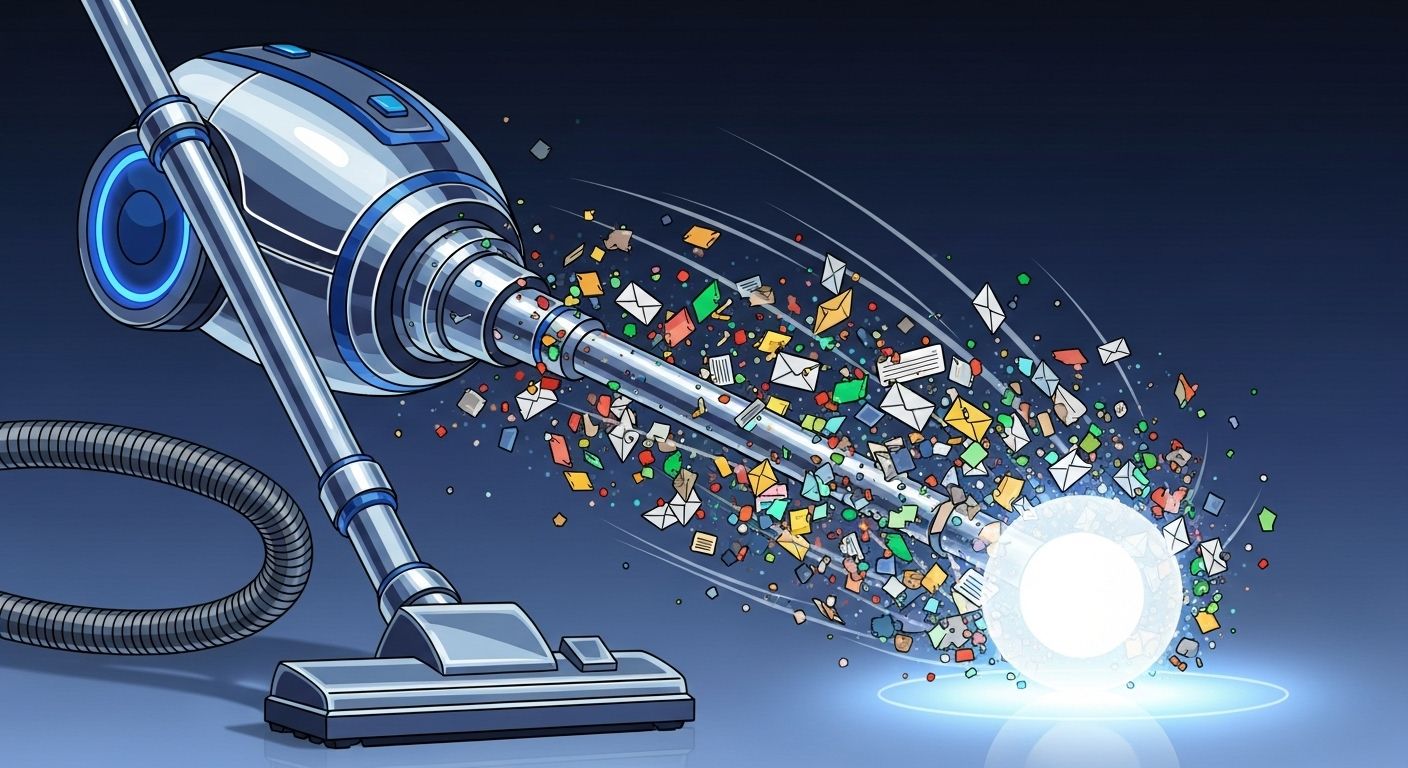
Absolutely, and you better believe it’s easier than ordering a latte these days. Free tools like Mailtrap, ZeroBounce, or Spamhaus Lookup let you punch in your domain and get instant feedback on blacklist status [[4]][[5]]. They scan over 100+ DNSBLs (DNS-based Blackhole Lists) so you know exactly where you stand. If your domain spam check shows up on even one list, it’s time to investigate why—was it a compromised contact form? A rogue plugin? Fix the root cause *before* requesting removal, or you’ll just get relisted faster than you can say “unsubscribe.”
The Sneaky Stuff: Hidden Red Flags in Domain History
Here’s the tea: expired domains can look like goldmines, but they often come with ghostly baggage. Use the Wayback Machine to peek at old content—was it a pill-pushing spam hub? A casino affiliate graveyard? That history sticks like gum on a shoe. A proper domain spam check includes auditing backlinks, archive snapshots, and SEO penalties [[22]]. Even if the domain’s clean *now*, past sins can haunt your rankings. Don’t let nostalgia—or a cheap price tag—blind you to what a full domain spam check might uncover.
DIY Domain Spam Check: Tools That Won’t Break the Bank
Luckily, you don’t need a six-figure budget to run a legit domain spam check. Start with freebies: MXToolbox for blacklists, VirusTotal for malware scans, and SecurityTrails for DNS forensics. Got a few bucks? Try paid tiers from DomainTools or Spyse for deeper intel. The key is cross-validation—don’t rely on just one tool. A clean bill from three different domain spam check services? Now you’re talkin’. Remember, an ounce of prevention beats a pound of inbox purgatory.
When Your Domain Fails the Spam Check: Damage Control 101
Uh-oh. Your domain spam check came back dirty. Don’t panic—but do act fast. First, identify the source: was it your email server? A hacked WordPress install? Then, clean house. Patch vulnerabilities, rotate credentials, and authenticate your emails with SPF, DKIM, and DMARC. Next, request delisting from each blacklist manually—most provide forms or APIs. Monitor your domain daily until it’s squeaky clean. This isn’t a “set it and forget it” situation; your domain spam check status needs ongoing TLC.
Keep It Clean: Best Practices for Ongoing Domain Health
Maintaining a pristine domain isn’t a one-time gig—it’s a lifestyle. Schedule monthly domain spam check audits, monitor sender reputation via Postmark or GlockApps, and keep your DNS records tight and tidy [[27]]. Avoid shady link farms, enforce strict email policies, and never, ever buy domains from fly-by-night marketplaces without vetting. For more pro tips, swing by Peternak Digital, dive into our Tools section, or read our deep-dive on domain email spam check methods. Stay sharp, stay clean, and let your domain shine like a well-polished badge of honor.
Frequently Asked Questions
How to check if a domain is banned?
To check if a domain is banned, run a domain spam check using tools like IsItBan or MXToolbox, which scan across multiple blacklists and platform-specific bans (e.g., Google, Bing). These tools will alert you if your domain has been restricted due to policy violations or spammy behavior [[2]].
How to check if a domain is malicious?
Use threat intelligence platforms like VirusTotal, IsMalicious, or DomainTools to perform a domain spam check that includes malware scanning, phishing detection, and historical risk analysis. A domain flagged for hosting exploit kits or fake login pages will show up in these reports [[11]].
How to check if a domain is trusted?
A trusted domain typically passes a comprehensive domain spam check with high reputation scores from services like Google Safe Browsing, Norton Safe Web, and EasyDMARC. Look for valid SSL, consistent WHOIS data, and absence from email blacklists to confirm trustworthiness [[17]].
Can you check if an address is blacklisted?
Yes—you can absolutely check if a domain or IP address is blacklisted by running a domain spam check through real-time blacklist databases like Spamhaus, Barracuda, or MultiRBL. Tools like ZeroBounce and Mailtrap offer free scanners that query dozens of these lists simultaneously [[8]].
References
- https://help.elasticemail.com/en/articles/2418970-how-to-find-out-if-your-domain-is-blacklisted
- https://isitban.com/
- https://dnschecker.org/ip-blacklist-checker.php
- https://mailtrap.io/free-domain-blacklist-checker/
- https://check.spamhaus.org/
- https://domsignal.com/blacklist-test
- https://www.salesforceben.com/how-to-check-if-your-email-domain-is-blacklisted-and-what-to-do-about-it/
- https://www.zerobounce.net/blacklist-checker
- https://mxtoolbox.com/blacklists.aspx
- https://bfore.ai/blog/how-to-determine-whether-a-domain-is-malicious-or-not/
- https://ismalicious.com/
- https://www.apivoid.com/tools/domain-reputation-check/
- https://www.loughtec.com/website-reputation-checker
- https://easydmarc.com/tools/domain-scanner
- https://www.domaintools.com/
- https://emvergeoning.com/How-to-Spam-Check-Expired-Domains
- https://yespo.io/blog/how-check-if-your-domain-spam-blacklists
- https://postmarkapp.com/blog/how-to-check-your-domain-reputation